


Pain management medical care Doylestown PA

Langhorne Summer Concert Series: How to Enjoy Outdoor Events Without Flaring Up

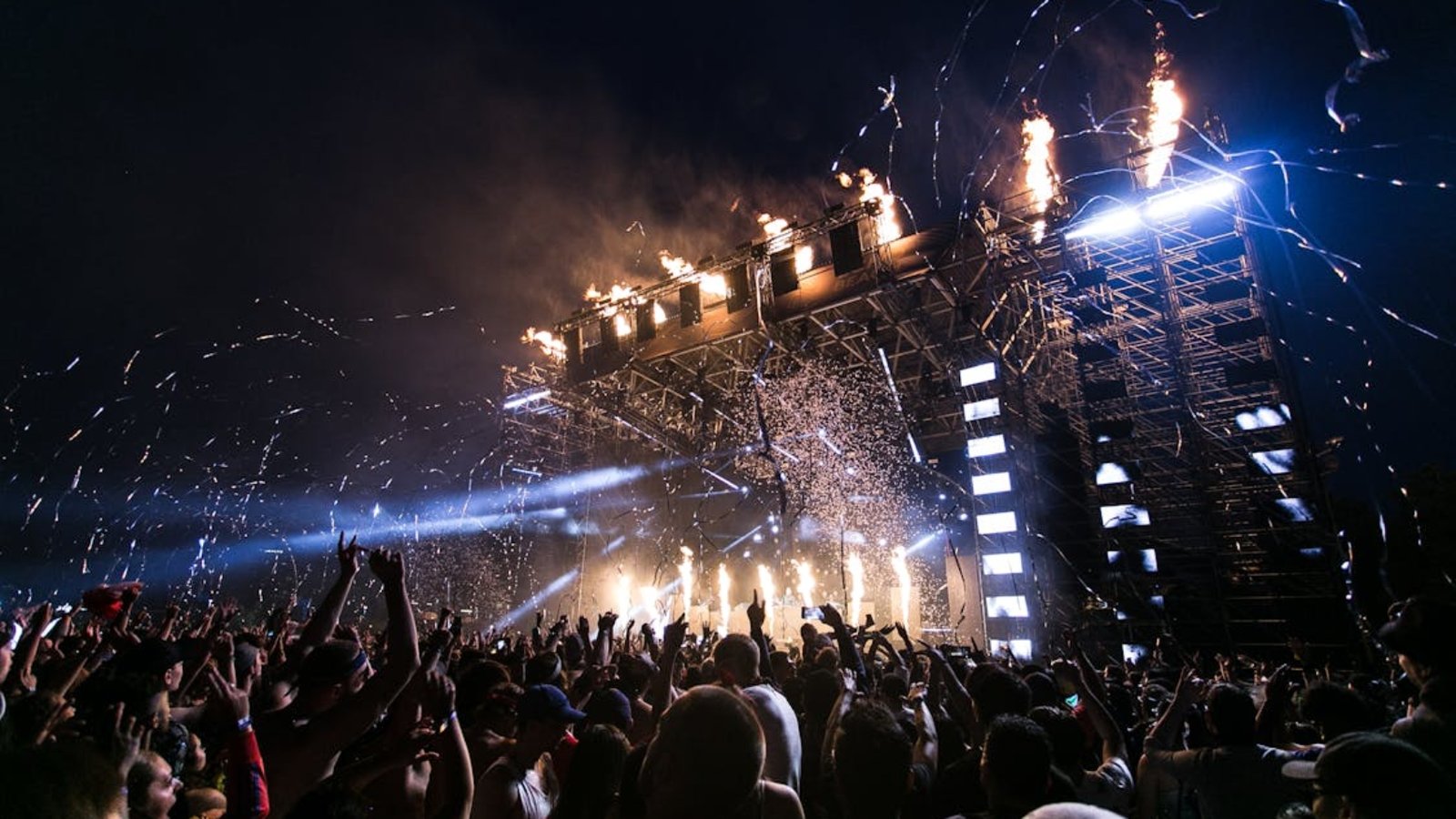
Tonight marks the start of the 2026 Langhorne Summer Concert Series — free music every other Wednesday brought to you by the Langhorne Borough Business Association. It’s one of the highlights of summer in lower Bucks County.

But if you live with chronic pain, the idea of sitting on the grass, navigating crowds, and being out in the evening heat might feel more stressful than fun. Here’s how to plan ahead so you can enjoy the music without paying for it tomorrow.

Pre-Event Planning

Choose Your Night Strategically

The concert series runs every other Wednesday at 7 PM. Look at the calendar before you commit to a specific night. If you’ve had a demanding day — long work hours, physical activity, medical appointments — save the concert for a lighter week. There are multiple dates through the summer; you don’t have to make the first one.

Pack Your Pain-Smart Kit

What you bring determines how long you last. Here’s a checklist:

  • Your own chair. Do not rely on the ground, a blanket, or public benches. Bring a camping chair with armrests and back support. Chairs with a slightly higher seat (so your hips are above your knees) are easier to stand up from.
  • A small cushion or lumbar roll. Even good chairs benefit from extra support for your lower back.
  • Water bottle. Staying hydrated in evening heat is essential — especially if you take pain medications.
  • Ice pack or cooling towel. A small, soft cooler with a gel ice pack gives you on-the-spot cold therapy if needed.
  • Light layer. Even summer evenings can cool down. A light jacket prevents muscle tensing from chill.

Arrive Early

Getting there 30-45 minutes early serves two purposes: you can park closer (less walking) and claim a spot where you can easily stand, sit, or move around without being boxed in by crowds. Edge seats near aisles or walkways give you flexibility.

During the Event

Move, Don’t Just Sit

Sitting in one position for 2 hours, even in a good chair, will leave you stiff. Every 20-30 minutes:

  • Stand up and gently shift your weight
  • Do a few shoulder rolls and neck tilts
  • Walk to the edge of the seating area and back
  • Stretch your legs by doing gentle calf raises

This takes 60 seconds and prevents the deep stiffness that sets in from prolonged sitting.

Position Your Body Well

If sitting on the ground is your only option:

  • Sit with your back against something (a tree, a low wall)
  • Bend your knees with feet flat, or extend one leg and bend the other
  • Switch positions every 10-15 minutes
  • Use your jacket or bag as improvised back support

Manage the Heat

Even at 7 PM, summer evenings in Langhorne can be warm and humid. Heat can relax muscles to the point where they provide less spinal support, and humidity can make joints feel swollen.

  • Stay in the shade if possible
  • Use your cooling towel on your neck or wrists
  • Sip water regularly (not just when you feel thirsty)

Post-Event Recovery

What you do after the concert determines how you feel tomorrow.

Cool Down, Don’t Crash

When you get home, take 5 minutes for gentle movement:

  • Lie on your back with knees bent and rock gently side to side (releases spinal tension)
  • Do slow cat-cow stretches on hands and knees
  • Walk slowly around your home for 2-3 minutes

Then apply ice to any areas that feel warm or throbbing — 15 minutes, with a thin towel between ice and skin.

Plan a Lighter Tomorrow

If you went to the concert tonight, keep tomorrow’s activity load lower than usual. Rest isn’t weakness — it’s recovery. If you normally walk 30 minutes, walk 15. If you had errands planned, postpone non-urgent ones.

Other Local Summer Events to Plan For

The Langhorne Summer Concert Series runs June 10 through late August. Other events to keep on your radar:

  • LBBA Classic Car Show (June 20): Same principles apply — bring your own chair, arrive early, pace yourself
  • Doylestown Township Summer Programs: Check the parks & rec guide for outdoor movie nights and community events
  • Bucks County Senior Games: Low-impact, social athletic events — a great way to stay active with joint-friendly activities

When You’re Avoiding Life Because of Pain

If the idea of attending a concert, a car show, or even dinner with friends feels overwhelming because of pain — not because of preference, but because of pain — that’s a signal. Pain shouldn’t shrink your world.

At Cellara Pain Institute, we help patients in Doylestown, Langhorne, and across Bucks County reclaim the activities that matter to them. Our Harvard-trained team offers comprehensive evaluation and evidence-based treatment tailored to your life.

Don’t miss another summer. Call us or book online — in-person and telehealth available.


Cellara Pain Institute: Helping Bucks County get back to living.


Ready to Get Relief?

Cellara Pain Institute serves patients in
Doylestown, PA, Langhorne, PA, and throughout Bucks County.

In-person visits & tele-visits  ·  Same-week appointments  ·  No referral needed

📞 (267) 500-9595
  ·  
✉ admin@wp.cellarapain.com

Most major PPO insurance plans accepted

This content is for educational purposes only and does not constitute medical advice. Consult a qualified healthcare provider for personalized medical guidance.
Cellara Pain Institute serves patients in Doylestown, PA, Langhorne, PA, and throughout Bucks County, Pennsylvania.

Medication management for chronic pain Langhorne PA

Medication Management for Chronic Pain: What Patients in Langhorne Should Know

Published: June 21, 2026 | Cellara Pain Institute | Doylestown, PA


Medication can be an important part of chronic pain treatment — but only when it’s managed carefully. Too often, patients are prescribed medications without clear expectations, regular monitoring, or a plan for when and how to stop.

Here’s what effective medication management looks like, and why it matters for Bucks County patients.

The Problem with “Here’s a Prescription, Come Back in 6 Months”

In busy primary care practices, medication management often follows a reactive pattern: prescribe something, refill when asked, adjust only when there’s a problem. This approach fails chronic pain patients for several reasons:

  • Medications lose effectiveness over time. Without regular assessment, you may be taking something that stopped working months ago.
  • Side effects accumulate. Weight gain, fatigue, cognitive changes, constipation — these often creep up slowly and patients assume they’re just part of living with pain.
  • Drug interactions go unnoticed. Pain patients often see multiple specialists who prescribe medications independently.
  • The underlying condition may change. Your pain six months ago may have a different driver than your pain today.

What Good Medication Management Looks Like

Start with a Clear Goal

Every medication should have a defined purpose. Not “reduce pain” in the abstract — something measurable:

  • “Improve sleep from 3 hours to 6 hours per night”
  • “Reduce pain from 7/10 to 4/10 during daytime activities”
  • “Enable 20 minutes of walking without pain increase”

If a medication isn’t achieving its stated goal after an appropriate trial period, it’s time to reconsider — not automatically refill.

Match the Medication to the Pain Type

Different pain types respond to different medications:

Nociceptive pain (tissue damage, inflammation, arthritis):

  • NSAIDs (prescription-strength when appropriate)
  • Acetaminophen (for milder pain)
  • Corticosteroids (short-term for acute flares)
  • Topical anti-inflammatories

Neuropathic pain (nerve damage, sciatica, diabetic neuropathy):

  • Gabapentinoids (gabapentin, pregabalin)
  • SNRIs (duloxetine, venlafaxine)
  • Topical lidocaine (localized nerve pain)
  • Tricyclic antidepressants (low-dose, for sleep and pain)

Muscle spasm pain:

  • Muscle relaxants (short-term only — they’re not safe for chronic daily use)
  • Magnesium supplementation (mild benefit for some)
  • Physical therapy to address the underlying cause

Centralized pain (fibromyalgia, chronic widespread pain):

  • SNRIs
  • Gabapentinoids
  • Low-dose naltrexone (emerging evidence)
  • Non-medication approaches are particularly important here

Using the wrong medication class for your pain type is like using a screwdriver on a nail — it might do something, but it’s not the right tool.

Monitor, Adjust, Communicate

Effective medication management is an ongoing conversation:

  • How is the pain responding? (Better, worse, unchanged)
  • Any side effects? (Even mild ones — they may indicate the medication isn’t right for you)
  • Are your goals being met?
  • Has anything changed in your health or other medications?

At Cellara Pain Institute, follow-up visits — whether in person or via telehealth — serve exactly this purpose. We don’t prescribe and disappear.

Have an Exit Strategy

Most pain medications aren’t intended to be permanent. Your treatment plan should include:

  • What improvement looks like
  • When and how to taper
  • What other treatments will support you as medication decreases

The goal of medication isn’t lifelong dependence — it’s to reduce pain enough that you can engage in other treatments (physical therapy, exercise, lifestyle changes) that provide lasting benefit.

Medication Safety in Summer

Bucks County summers bring specific medication considerations:

  • NSAIDs and dehydration: NSAIDs can affect kidney function, especially when you’re dehydrated. Stay well-hydrated if you take them regularly.
  • Sun sensitivity: Some pain medications (including certain NSAIDs, muscle relaxants, and tricyclic antidepressants) increase sun sensitivity. Use sunscreen and limit direct sun exposure.
  • Heat and sedation: Medications that cause drowsiness (muscle relaxants, gabapentinoids, opioids) can interact with summer heat to cause excessive sedation. Be cautious about driving or outdoor activity in high heat.
  • Medication storage: Don’t leave medications in a hot car. Most should be stored at room temperature (68-77°F).

The Bottom Line

Medication can be a valuable tool in pain management — but it works best as part of a multi-modal plan, carefully monitored, with a clear purpose and exit strategy.

If your current medication plan feels like it’s on autopilot, it’s time for a fresh evaluation. Book a consultation — Doylestown office or telehealth.


Cellara Pain Institute: Harvard-trained, evidence-based medication management for Bucks County.


Ready to Get Relief?

Cellara Pain Institute serves patients in
Doylestown, PA, Langhorne, PA, and throughout Bucks County.

In-person visits & tele-visits  ·  Same-week appointments  ·  No referral needed

📞 (267) 500-9595
  ·  
✉ admin@wp.cellarapain.com

Most major PPO insurance plans accepted

This content is for educational purposes only and does not constitute medical advice. Consult a qualified healthcare provider for personalized medical guidance.
Cellara Pain Institute serves patients in Doylestown, PA, Langhorne, PA, and throughout Bucks County, Pennsylvania.

Langhorne Summer Concert Series pain tips - Cellara Pain Institute

Langhorne Summer Concert Series: How to Enjoy Outdoor Events Without Flaring Up

Published: June 10, 2026 | Cellara Pain Institute | Langhorne, PA 19047


Tonight marks the start of the 2026 Langhorne Summer Concert Series — free music every other Wednesday brought to you by the Langhorne Borough Business Association. It’s one of the highlights of summer in lower Bucks County.

But if you live with chronic pain, the idea of sitting on the grass, navigating crowds, and being out in the evening heat might feel more stressful than fun. Here’s how to plan ahead so you can enjoy the music without paying for it tomorrow.

Pre-Event Planning

Choose Your Night Strategically

The concert series runs every other Wednesday at 7 PM. Look at the calendar before you commit to a specific night. If you’ve had a demanding day — long work hours, physical activity, medical appointments — save the concert for a lighter week. There are multiple dates through the summer; you don’t have to make the first one.

Pack Your Pain-Smart Kit

What you bring determines how long you last. Here’s a checklist:

  • Your own chair. Do not rely on the ground, a blanket, or public benches. Bring a camping chair with armrests and back support. Chairs with a slightly higher seat (so your hips are above your knees) are easier to stand up from.
  • A small cushion or lumbar roll. Even good chairs benefit from extra support for your lower back.
  • Water bottle. Staying hydrated in evening heat is essential — especially if you take pain medications.
  • Ice pack or cooling towel. A small, soft cooler with a gel ice pack gives you on-the-spot cold therapy if needed.
  • Light layer. Even summer evenings can cool down. A light jacket prevents muscle tensing from chill.

Arrive Early

Getting there 30-45 minutes early serves two purposes: you can park closer (less walking) and claim a spot where you can easily stand, sit, or move around without being boxed in by crowds. Edge seats near aisles or walkways give you flexibility.

During the Event

Move, Don’t Just Sit

Sitting in one position for 2 hours, even in a good chair, will leave you stiff. Every 20-30 minutes:

  • Stand up and gently shift your weight
  • Do a few shoulder rolls and neck tilts
  • Walk to the edge of the seating area and back
  • Stretch your legs by doing gentle calf raises

This takes 60 seconds and prevents the deep stiffness that sets in from prolonged sitting.

Position Your Body Well

If sitting on the ground is your only option:

  • Sit with your back against something (a tree, a low wall)
  • Bend your knees with feet flat, or extend one leg and bend the other
  • Switch positions every 10-15 minutes
  • Use your jacket or bag as improvised back support

Manage the Heat

Even at 7 PM, summer evenings in Langhorne can be warm and humid. Heat can relax muscles to the point where they provide less spinal support, and humidity can make joints feel swollen.

  • Stay in the shade if possible
  • Use your cooling towel on your neck or wrists
  • Sip water regularly (not just when you feel thirsty)

Post-Event Recovery

What you do after the concert determines how you feel tomorrow.

Cool Down, Don’t Crash

When you get home, take 5 minutes for gentle movement:

  • Lie on your back with knees bent and rock gently side to side (releases spinal tension)
  • Do slow cat-cow stretches on hands and knees
  • Walk slowly around your home for 2-3 minutes

Then apply ice to any areas that feel warm or throbbing — 15 minutes, with a thin towel between ice and skin.

Plan a Lighter Tomorrow

If you went to the concert tonight, keep tomorrow’s activity load lower than usual. Rest isn’t weakness — it’s recovery. If you normally walk 30 minutes, walk 15. If you had errands planned, postpone non-urgent ones.

Other Local Summer Events to Plan For

The Langhorne Summer Concert Series runs June 10 through late August. Other events to keep on your radar:

  • LBBA Classic Car Show (June 20): Same principles apply — bring your own chair, arrive early, pace yourself
  • Doylestown Township Summer Programs: Check the parks & rec guide for outdoor movie nights and community events
  • Bucks County Senior Games: Low-impact, social athletic events — a great way to stay active with joint-friendly activities

When You’re Avoiding Life Because of Pain

If the idea of attending a concert, a car show, or even dinner with friends feels overwhelming because of pain — not because of preference, but because of pain — that’s a signal. Pain shouldn’t shrink your world.

At Cellara Pain Institute, we help patients in Doylestown, Langhorne, and across Bucks County reclaim the activities that matter to them. Our Harvard-trained team offers comprehensive evaluation and evidence-based treatment tailored to your life.

Don’t miss another summer. Call us or book online — in-person and telehealth available.


Cellara Pain Institute: Helping Bucks County get back to living.


Ready to Get Relief?

Cellara Pain Institute serves patients in
Langhorne, PA 19047, Langhorne, PA, and throughout Bucks County.

In-person visits & tele-visits  ·  Same-week appointments  ·  No referral needed

📞 (267) 500-9595
  ·  
✉ admin@wp.cellarapain.com

Most major PPO insurance plans accepted

This content is for educational purposes only and does not constitute medical advice. Consult a qualified healthcare provider for personalized medical guidance.
Cellara Pain Institute serves patients at 300 Middletown Blvd Suite 103, Langhorne, PA 19047, Langhorne, PA, and throughout Bucks County, Pennsylvania.