








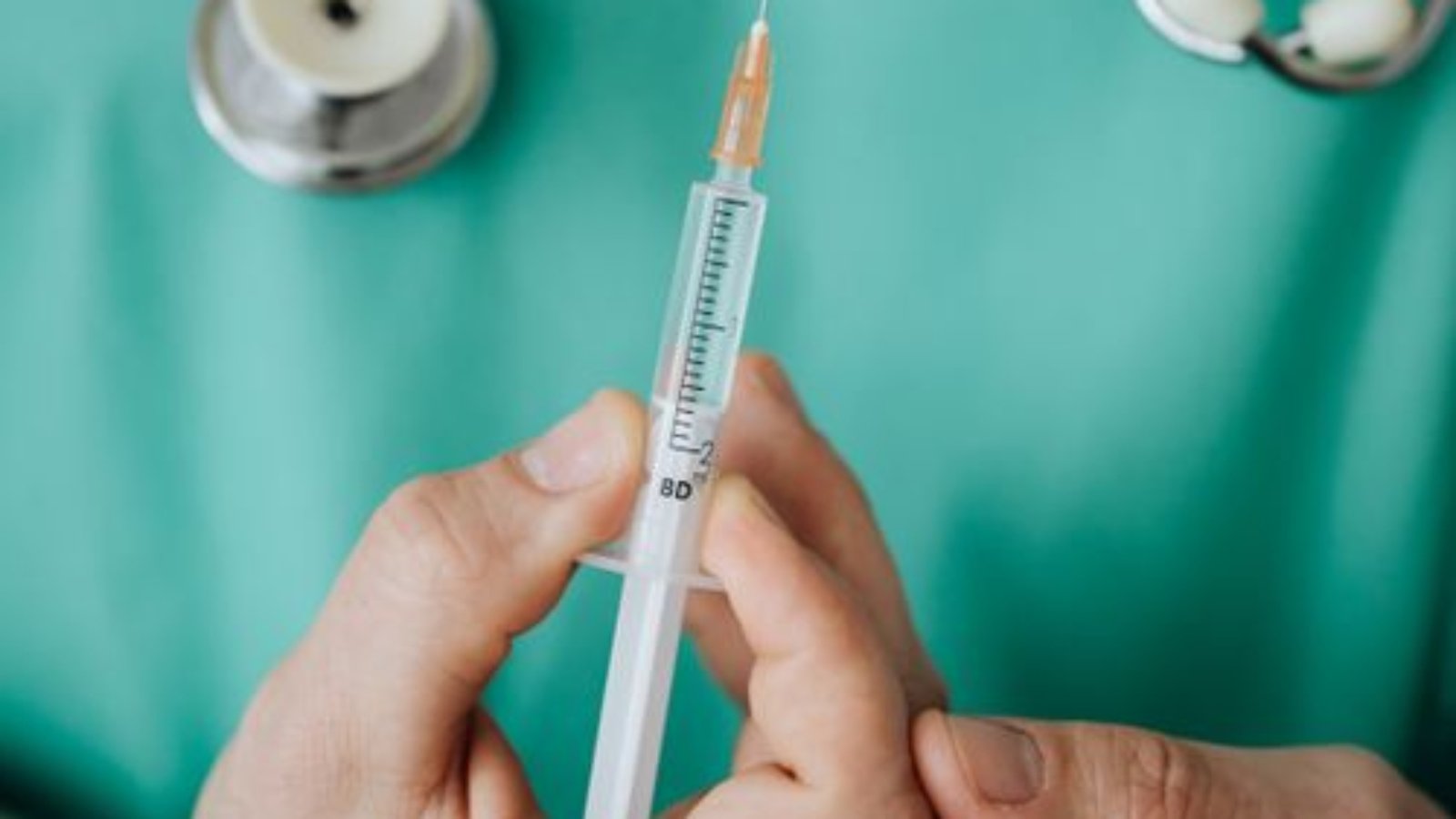
Medication management for chronic pain Langhorne PA

Medication Management for Chronic Pain: What Patients in Langhorne Should Know

Published: June 21, 2026 | Cellara Pain Institute | Doylestown, PA


Medication can be an important part of chronic pain treatment — but only when it’s managed carefully. Too often, patients are prescribed medications without clear expectations, regular monitoring, or a plan for when and how to stop.

Here’s what effective medication management looks like, and why it matters for Bucks County patients.

The Problem with “Here’s a Prescription, Come Back in 6 Months”

In busy primary care practices, medication management often follows a reactive pattern: prescribe something, refill when asked, adjust only when there’s a problem. This approach fails chronic pain patients for several reasons:

  • Medications lose effectiveness over time. Without regular assessment, you may be taking something that stopped working months ago.
  • Side effects accumulate. Weight gain, fatigue, cognitive changes, constipation — these often creep up slowly and patients assume they’re just part of living with pain.
  • Drug interactions go unnoticed. Pain patients often see multiple specialists who prescribe medications independently.
  • The underlying condition may change. Your pain six months ago may have a different driver than your pain today.

What Good Medication Management Looks Like

Start with a Clear Goal

Every medication should have a defined purpose. Not “reduce pain” in the abstract — something measurable:

  • “Improve sleep from 3 hours to 6 hours per night”
  • “Reduce pain from 7/10 to 4/10 during daytime activities”
  • “Enable 20 minutes of walking without pain increase”

If a medication isn’t achieving its stated goal after an appropriate trial period, it’s time to reconsider — not automatically refill.

Match the Medication to the Pain Type

Different pain types respond to different medications:

Nociceptive pain (tissue damage, inflammation, arthritis):

  • NSAIDs (prescription-strength when appropriate)
  • Acetaminophen (for milder pain)
  • Corticosteroids (short-term for acute flares)
  • Topical anti-inflammatories

Neuropathic pain (nerve damage, sciatica, diabetic neuropathy):

  • Gabapentinoids (gabapentin, pregabalin)
  • SNRIs (duloxetine, venlafaxine)
  • Topical lidocaine (localized nerve pain)
  • Tricyclic antidepressants (low-dose, for sleep and pain)

Muscle spasm pain:

  • Muscle relaxants (short-term only — they’re not safe for chronic daily use)
  • Magnesium supplementation (mild benefit for some)
  • Physical therapy to address the underlying cause

Centralized pain (fibromyalgia, chronic widespread pain):

  • SNRIs
  • Gabapentinoids
  • Low-dose naltrexone (emerging evidence)
  • Non-medication approaches are particularly important here

Using the wrong medication class for your pain type is like using a screwdriver on a nail — it might do something, but it’s not the right tool.

Monitor, Adjust, Communicate

Effective medication management is an ongoing conversation:

  • How is the pain responding? (Better, worse, unchanged)
  • Any side effects? (Even mild ones — they may indicate the medication isn’t right for you)
  • Are your goals being met?
  • Has anything changed in your health or other medications?

At Cellara Pain Institute, follow-up visits — whether in person or via telehealth — serve exactly this purpose. We don’t prescribe and disappear.

Have an Exit Strategy

Most pain medications aren’t intended to be permanent. Your treatment plan should include:

  • What improvement looks like
  • When and how to taper
  • What other treatments will support you as medication decreases

The goal of medication isn’t lifelong dependence — it’s to reduce pain enough that you can engage in other treatments (physical therapy, exercise, lifestyle changes) that provide lasting benefit.

Medication Safety in Summer

Bucks County summers bring specific medication considerations:

  • NSAIDs and dehydration: NSAIDs can affect kidney function, especially when you’re dehydrated. Stay well-hydrated if you take them regularly.
  • Sun sensitivity: Some pain medications (including certain NSAIDs, muscle relaxants, and tricyclic antidepressants) increase sun sensitivity. Use sunscreen and limit direct sun exposure.
  • Heat and sedation: Medications that cause drowsiness (muscle relaxants, gabapentinoids, opioids) can interact with summer heat to cause excessive sedation. Be cautious about driving or outdoor activity in high heat.
  • Medication storage: Don’t leave medications in a hot car. Most should be stored at room temperature (68-77°F).

The Bottom Line

Medication can be a valuable tool in pain management — but it works best as part of a multi-modal plan, carefully monitored, with a clear purpose and exit strategy.

If your current medication plan feels like it’s on autopilot, it’s time for a fresh evaluation. Book a consultation — Doylestown office or telehealth.


Cellara Pain Institute: Harvard-trained, evidence-based medication management for Bucks County.


Ready to Get Relief?

Cellara Pain Institute serves patients in
Doylestown, PA, Langhorne, PA, and throughout Bucks County.

In-person visits & tele-visits  ·  Same-week appointments  ·  No referral needed

📞 (267) 500-9595
  ·  
✉ admin@wp.cellarapain.com

Most major PPO insurance plans accepted

This content is for educational purposes only and does not constitute medical advice. Consult a qualified healthcare provider for personalized medical guidance.
Cellara Pain Institute serves patients in Doylestown, PA, Langhorne, PA, and throughout Bucks County, Pennsylvania.

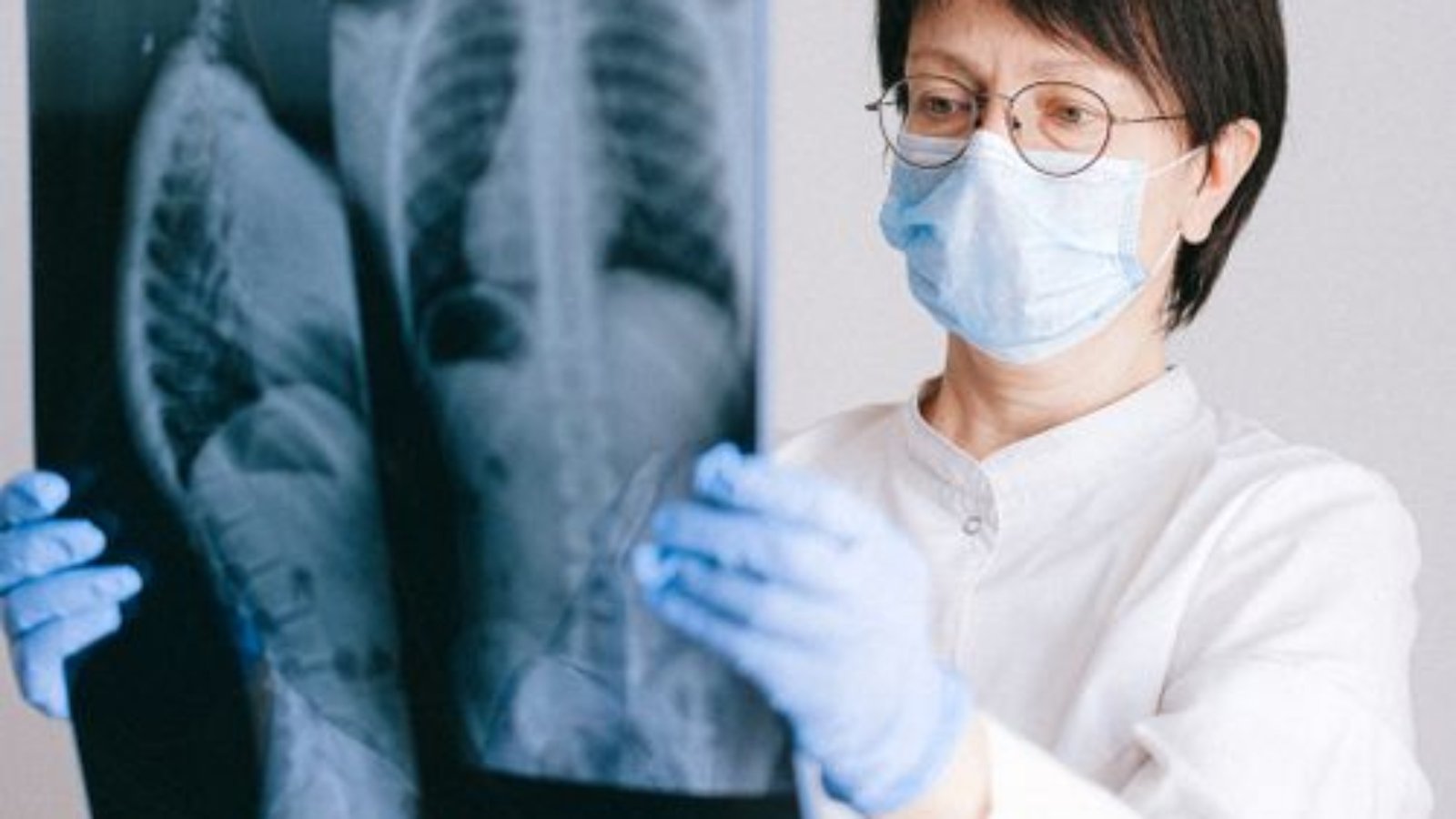
Multi-modal pain treatment approach Cellara Pain Institute

The Multi-Modal Approach: Why One Treatment Isn’t Enough for Chronic Pain

Published: June 20, 2026 | Cellara Pain Institute | Doylestown, PA


If you’ve been dealing with chronic pain for any length of time, you’ve probably tried treatments that helped — but not completely. Physical therapy reduced your pain by 30%. A medication helped with sleep but not daytime function. An injection gave you relief for a few months, but the pain came back.

This isn’t failure. It’s the natural result of treating a complex problem with a single tool. The most effective approach to chronic pain — and the philosophy at the core of Cellara Pain Institute — is multi-modal care: combining multiple treatments that work together to address pain from different angles.

Why One Treatment Usually Isn’t Enough

Chronic pain isn’t a simple problem. It involves:

The pain generator. The physical source — an arthritic joint, a herniated disc pressing on a nerve, damaged tissue from an old injury.

The nervous system’s response. Over time, persistent pain signals can cause the nervous system to become sensitized. It amplifies pain signals, interpreting normal sensations as painful (central sensitization).

Muscle guarding and compensation. When something hurts, you unconsciously change how you move. These compensations create new patterns of muscle tension and joint stress — secondary pain generators.

The brain’s interpretation. Pain is always processed in the brain. Your emotional state, stress levels, sleep quality, and beliefs about pain all affect how intensely you experience it.

A single treatment — an injection, a medication, a round of physical therapy — typically addresses only one of these layers. That’s why it helps, but doesn’t solve the problem.

The Multi-Modal Model

Effective multi-modal care typically combines interventions from multiple categories:

Category 1: Interventional Procedures

These address the primary pain generator directly:

  • Epidural steroid injections for inflamed nerve roots
  • Radiofrequency ablation for facet joint arthritis
  • Joint injections for localized arthritis

What they do: Break the inflammation-pain cycle at the source, creating a window of reduced pain during which other treatments become more effective.

Category 2: Medication Management

Carefully selected, appropriately dosed medications:

  • Nerve pain medications (gabapentinoids, SNRIs)
  • Anti-inflammatories (prescription-strength when appropriate)
  • Topical agents (delivered directly to the painful area)
  • Muscle relaxants (short-term, targeted use)

What they do: Modulate pain signaling at the chemical level, improving comfort and function.

Category 3: Physical Rehabilitation

Guided by a physical therapist or exercise specialist:

  • Core strengthening (supports the spine)
  • Flexibility work (reduces muscle tension)
  • Posture and body mechanics training (prevents re-injury)
  • Graded activity programs (rebuilds function without flaring pain)

What they do: Address the mechanical contributors to pain — weakness, stiffness, poor movement patterns.

Category 4: Lifestyle and Behavioral Interventions

Often overlooked, but essential:

  • Sleep optimization (sleep deprivation amplifies pain)
  • Nutrition guidance (anti-inflammatory eating patterns)
  • Stress management (cortisol and other stress hormones worsen pain)
  • Pacing and activity modification (breaking the boom-bust cycle)

What they do: Create the conditions in which medical treatments work best, and equip you with tools for long-term self-management.

A Real-World Example

Consider a patient with chronic low back pain from facet joint arthritis. Their multi-modal plan might look like:

Month 1: Radiofrequency ablation to the affected facet joints — this provides 6-12+ months of significant pain reduction by temporarily disabling the nerves transmitting pain from those joints.

Month 1-3: Physical therapy — now that pain is controlled, the patient can actually engage in strengthening exercises without flaring. Core stability improves, reducing mechanical stress on the joints.

Month 1-ongoing: A non-opioid medication for any residual nerve pain, sleep hygiene improvements, and a walking program at Peace Valley Park.

Months 3-12: Periodic check-ins. If the RFA effect fades, it can be repeated. If new issues arise, they’re caught early.

This approach produces better outcomes than any single element would alone — and far better than “take ibuprofen and hope it gets better.”

The Cellara Approach

At Cellara Pain Institute, multi-modal care isn’t a buzzword — it’s how we practice. Your treatment plan is personalized to your specific condition, and it evolves as you improve. We coordinate the different elements so you’re not left trying to piece together advice from different providers who never talk to each other.

Most importantly, we start with a thorough diagnosis. Multi-modal care only works when you know what you’re treating.

Pain is complex. Your treatment should be, too. Book a consultation — Doylestown clinic or telehealth.


Cellara Pain Institute: Harvard-trained, multi-modal pain care for Bucks County.


Ready to Get Relief?

Cellara Pain Institute serves patients in
Doylestown, PA, Langhorne, PA, and throughout Bucks County.

In-person visits & tele-visits  ·  Same-week appointments  ·  No referral needed

📞 (267) 500-9595
  ·  
✉ admin@wp.cellarapain.com

Most major PPO insurance plans accepted

This content is for educational purposes only and does not constitute medical advice. Consult a qualified healthcare provider for personalized medical guidance.
Cellara Pain Institute serves patients in Doylestown, PA, Langhorne, PA, and throughout Bucks County, Pennsylvania.

When to see a pain specialist Doylestown PA

When to See a Pain Specialist (Not Just Your Primary Care Doctor)

Published: June 19, 2026 | Cellara Pain Institute | Doylestown, PA


Primary care doctors are invaluable. They manage your overall health, coordinate your care, and are often the first person you turn to when something hurts. But chronic pain is a specialized field — and knowing when to see a specialist can be the difference between years of managing symptoms and actually treating the problem.

The Primary Care Gap in Pain Management

Most primary care doctors receive minimal training in pain management during medical school and residency. A 2021 study found the average medical student receives fewer than 10 hours of pain-specific education across four years — compared to veterinary students who receive significantly more.

This doesn’t mean your primary care doctor isn’t capable. It means they’re working with a limited toolkit: NSAIDs, muscle relaxants, basic imaging, referrals to physical therapy, and — historically — opioids. When those tools don’t work, many doctors feel they’ve exhausted their options.

They haven’t. They’ve just reached the edge of their specialty.

Signs It’s Time to See a Pain Specialist

1. Your pain has lasted more than 3 months

Acute pain is your body’s alarm system — it signals injury and should resolve as healing occurs. Chronic pain (lasting beyond the expected healing time, typically 3+ months) is different. The pain system itself has become dysfunctional, and treatments that work for acute pain often fail for chronic pain.

2. Your current treatment isn’t working — or you need it too often

If you’re taking ibuprofen daily, if you’ve been through multiple rounds of physical therapy with minimal improvement, if your doctor has tried several medications with limited success — it’s time for a specialist.

3. You’ve been told “just live with it” or “it’s just arthritis”

Pain is not an inevitable part of aging, and “arthritis” is a broad term that doesn’t identify which joints are involved, what type of arthritis it is, or what treatment options exist. A pain specialist can provide a specific diagnosis and targeted treatment plan.

4. Your pain is changing or spreading

Pain that started in one location and is now affecting other areas, or pain that’s changing in character (from dull to sharp, from intermittent to constant), warrants specialist evaluation.

5. You have radiating pain, numbness, or weakness

Pain that travels down your arm or leg, especially when accompanied by numbness, tingling, or muscle weakness, suggests nerve involvement — a disc herniation, spinal stenosis, or other condition requiring specific diagnosis.

6. Pain is affecting your sleep, mood, or relationships

When pain begins to shrink your life — you’re canceling plans, sleeping poorly, feeling irritable or hopeless — the condition has moved beyond a physical problem. Comprehensive pain care addresses these dimensions too.

7. You want to reduce or avoid opioids

If you’re concerned about long-term opioid use — or want to explore alternatives — a pain specialist can create a safe, effective transition plan using interventional procedures and non-opioid medications.

What a Pain Specialist Offers That Primary Care Can’t

Image-guided procedures. A pain specialist can perform precise injections under X-ray or ultrasound guidance, targeting the exact nerve or joint generating pain. This requires specialized training beyond primary care or even most surgical residencies.

Differential diagnosis expertise. Is your hip pain actually coming from your hip, or is it referred from your lower back? Is that headache a tension headache, a migraine, or originating from your neck? Pain specialists are trained to trace pain to its true source — which is often not where it hurts.

Multi-modal treatment planning. Pain specialists coordinate interventional procedures, medications, physical therapy, and lifestyle interventions into a single coherent plan. Primary care doctors typically can’t offer the procedural component and may not have time to coordinate the rest.

Medication expertise. Pain pharmacotherapy is complex. Nerve pain, inflammatory pain, muscle spasm pain, and centralized pain respond to completely different medication classes. A specialist knows which to use, in what combination, and how to manage side effects.

The First Visit: What to Expect

At Cellara Pain Institute, your first consultation includes:

  • A comprehensive history — not just “where does it hurt,” but how it started, what makes it better or worse, what treatments you’ve tried, and how pain affects your life
  • A focused physical and neurological examination
  • Review of any existing imaging (MRI, X-ray, CT)
  • A discussion of what’s likely causing your pain
  • A proposed treatment plan — not a one-size-fits-all protocol, but a plan tailored to your specific condition and goals

You’ll leave with clarity: what’s causing your pain, what can be done about it, and what the next steps are. For many patients who’ve been frustrated by years of vague diagnoses and ineffective treatments, this clarity is itself therapeutic.

One Important Note

You don’t need a referral to see a pain specialist in most cases, though some insurance plans may require one. Call your insurance provider or our office — we can help you navigate the process.

Don’t wait another season. If pain is running your life, it’s time for a specialist. Book a consultation — Doylestown office or telehealth.


Cellara Pain Institute: Harvard-trained pain specialists serving Doylestown, Langhorne, and Bucks County.


Ready to Get Relief?

Cellara Pain Institute serves patients in
Doylestown, PA, Langhorne, PA, and throughout Bucks County.

In-person visits & tele-visits  ·  Same-week appointments  ·  No referral needed

📞 (267) 500-9595
  ·  
✉ admin@wp.cellarapain.com

Most major PPO insurance plans accepted

This content is for educational purposes only and does not constitute medical advice. Consult a qualified healthcare provider for personalized medical guidance.
Cellara Pain Institute serves patients in Doylestown, PA, Langhorne, PA, and throughout Bucks County, Pennsylvania.
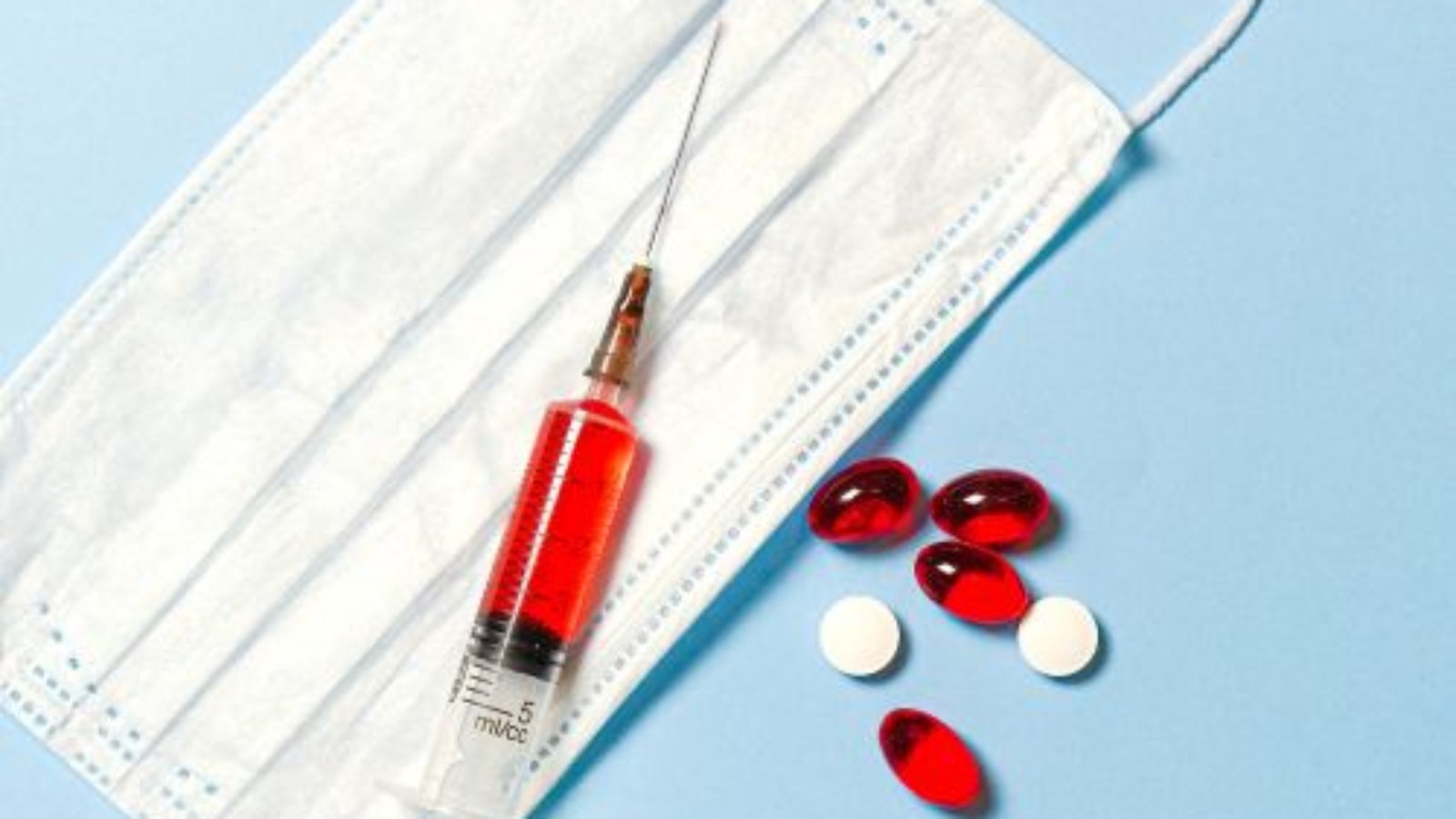
Non-opioid pain relief treatments 2026 Cellara Pain Institute

Non-Opioid Pain Relief: The 2026 Treatments Changing Pain Care

Published: June 18, 2026 | Cellara Pain Institute | Doylestown, PA


One of the biggest shifts in pain medicine over the past five years has been the move toward effective non-opioid treatments. Driven by both the opioid crisis and rapid innovation in interventional techniques, 2026 offers more options than ever for significant pain relief without the risks of long-term opioid use.

Why the Shift Matters

Opioids can be effective for acute, short-term pain — after surgery or a serious injury. But for chronic pain, the risk-benefit calculation changes dramatically:

  • Opioid effectiveness often decreases over time (tolerance)
  • Physical dependence develops, making discontinuation difficult
  • Side effects include constipation, sedation, hormonal changes, and increased sensitivity to pain (opioid-induced hyperalgesia)
  • Risk of misuse and overdose is well-documented

A 2023 CDC review found that for most chronic pain conditions, non-opioid treatments are equally or more effective than opioids, with substantially lower risk. The challenge is that many patients — and even some doctors — don’t know what the alternatives are.

The 2026 Non-Opioid Treatment Landscape

1. Interventional Procedures

As we covered in Monday’s post, targeted injections and minimally invasive procedures can address pain at its source:

  • Epidural steroid injections for disc-related and nerve root pain
  • Radiofrequency ablation for facet joint arthritis pain — can provide 6-18 months of relief
  • Joint injections (steroid or hyaluronic acid) for knee, hip, and shoulder arthritis
  • Nerve blocks for diagnostic precision and targeted relief

These procedures work by reducing inflammation at the specific site generating pain — not by altering brain chemistry. This makes them fundamentally different from systemic medications.

2. Neuromodulation

Neuromodulation uses mild electrical pulses to interrupt pain signals before they reach the brain:

  • Spinal cord stimulation (SCS): A small implanted device sends electrical pulses to the spinal cord, replacing pain signals with a tingling sensation. Modern SCS devices are rechargeable, MRI-compatible, and can reduce pain by 50-70% in appropriately selected patients.
  • Peripheral nerve stimulation: Targets specific peripheral nerves rather than the spinal cord. Particularly useful for focal pain syndromes.

3. Advanced Medication Management

Not all non-opioid medications are the same. Modern pain pharmacotherapy includes:

  • Gabapentinoids (gabapentin, pregabalin) for nerve pain
  • SNRIs (duloxetine, venlafaxine) — antidepressants that also modulate pain pathways
  • Topical agents (lidocaine patches, diclofenac gel) — deliver medication directly to the painful area with minimal systemic absorption
  • Muscle relaxants for acute muscle spasm (short-term use only)

The key is matching the medication class to the pain type — neuropathic pain responds to different medications than inflammatory pain, which responds differently than muscle spasm pain.

4. Regenerative Medicine Approaches

An emerging field, though more research is needed:

  • Platelet-rich plasma (PRP): Concentrated platelets from your own blood are injected into damaged tissue to promote healing. Some evidence supports use in certain tendon and joint conditions.
  • Stem cell therapies: Still largely experimental for most pain conditions; clinical trials are ongoing.

5. Integrative and Behavioral Approaches

Pain isn’t purely physical. Effective treatment often includes:

  • Cognitive behavioral therapy (CBT) for pain: Helps reframe pain-related thoughts and behaviors
  • Physical therapy and graded exercise: As discussed yesterday — first-line treatment for many conditions
  • Mindfulness and relaxation techniques: Reduce the stress-pain feedback loop
  • Acupuncture: Evidence supports modest benefits for certain pain conditions, and it has an excellent safety profile

The Multi-Modal Principle

Here’s the most important concept in modern pain management: no single treatment works for everyone, and most people need a combination.

A patient with chronic low back pain might receive:

  • An epidural steroid injection to reduce acute inflammation
  • A tailored physical therapy program to strengthen supporting muscles
  • A non-opioid medication for nerve pain
  • Guidance on sleep hygiene, nutrition, and activity pacing

This is multi-modal care — addressing pain from multiple angles simultaneously. It’s more effective than any single approach alone, and it’s the philosophy that guides treatment at Cellara Pain Institute.

Making the Switch Safely

If you’re currently on long-term opioids and interested in alternatives:

Do not stop opioids abruptly. Withdrawal is dangerous and can be life-threatening. Any change in opioid use must be medically supervised.

Find a pain specialist. Primary care doctors are often not trained in advanced pain management. A board-certified pain specialist can create a safe, gradual transition plan.

Expect a process, not a switch. Moving from opioids to non-opioid treatments is a journey, often taking months. It involves introducing new treatments while slowly tapering opioids under medical supervision.

Your Path Forward

At Cellara Pain Institute, we specialize in non-opioid and multi-modal pain management. Whether you’re looking to avoid opioids entirely or transition away from them safely, our Harvard-trained team can create a personalized plan based on the latest evidence.

Pain relief without dependency is real. Book a consultation — Doylestown or telehealth.


Cellara Pain Institute: Evidence-based, multi-modal pain care for Bucks County.


Ready to Get Relief?

Cellara Pain Institute serves patients in
Doylestown, PA, Langhorne, PA, and throughout Bucks County.

In-person visits & tele-visits  ·  Same-week appointments  ·  No referral needed

📞 (267) 500-9595
  ·  
✉ admin@wp.cellarapain.com

Most major PPO insurance plans accepted

This content is for educational purposes only and does not constitute medical advice. Consult a qualified healthcare provider for personalized medical guidance.
Cellara Pain Institute serves patients in Doylestown, PA, Langhorne, PA, and throughout Bucks County, Pennsylvania.

Walk With a Doc Doylestown movement for pain

Walk With a Doc in Doylestown: Why Movement Is First-Line Pain Treatment

Published: June 17, 2026 | Cellara Pain Institute | Doylestown, PA


Today, Doylestown Health hosts “Walk With a Doc” at William E. Neis Park — a program where community members walk alongside a physician, ask health questions, and learn that movement doesn’t have to be intimidating. It starts at 9 AM and it’s free.

At Cellara Pain Institute, this program aligns with something we tell patients every day: movement is medicine. In fact, for many chronic pain conditions, supervised exercise is now considered first-line treatment — ahead of medications, ahead of injections, ahead of surgery.

The Research on Exercise and Pain

For decades, the standard advice for back pain was rest. Lie down, don’t move, wait for it to heal. We now know this was wrong.

A 2021 systematic review in the British Journal of Sports Medicine examined hundreds of studies and concluded that exercise — particularly supervised, structured exercise — reduces pain intensity and improves function in chronic low back pain better than rest, passive treatments, or usual care.

For osteoarthritis, the evidence is equally strong. The American College of Rheumatology guidelines list exercise as a first-line, strongly recommended treatment for hip and knee arthritis.

For fibromyalgia, aerobic exercise and strength training both show significant benefits for pain, fatigue, and quality of life.

Why Movement Helps Pain (The Science)

Movement helps chronic pain through multiple mechanisms:

Improves blood flow. Movement brings oxygen and nutrients to spinal discs, joints, and muscles — tissues that have poor blood supply at rest.

Releases endorphins. These are your body’s natural pain-relieving chemicals. Even moderate exercise triggers their release.

Reduces fear. Chronic pain often leads to kinesiophobia — fear of movement. This fear causes protective guarding, muscle tension, and avoidance, which worsens deconditioning and pain. Gentle, successful movement breaks this cycle.

Strengthens supporting muscles. Stronger core, hip, and back muscles provide better structural support for your spine and joints.

Reduces systemic inflammation. Regular moderate exercise lowers circulating inflammatory markers, which can reduce overall pain sensitivity.

Improves sleep. Better sleep means better pain tolerance — and exercise is one of the most effective non-drug sleep interventions.

What “Exercise” Means for a Pain Patient

Exercise doesn’t mean CrossFit. It doesn’t mean running. For most chronic pain patients, the most appropriate “exercise” is walking — exactly what the Walk With a Doc program offers.

Starting guidelines:

  • Begin with 5-10 minutes of walking on a flat, paved surface
  • Walk at a pace where you can hold a conversation
  • Increase by no more than 10% per week (add 1 minute to a 10-minute walk, not 5)
  • Consistency beats intensity: 10 minutes daily is better than 45 minutes once a week
  • Stop if pain increases sharply — “hurt” vs. “harm” isn’t always clear, so work with a specialist to distinguish them

Local Walking Programs and Resources

Walk With a Doc — Doylestown Health hosts these community walks periodically. Check their events calendar for upcoming dates. Walking with a physician present provides both medical safety and motivation.

Bucks County Free Library Summer Quest — While primarily a reading program, it encourages families to be active. Walking to your local library branch counts toward activity goals.

Doylestown Township Parks & Recreation — Their summer guide lists organized walks, nature programs, and fitness events for all ages and ability levels.

SilverSneakers — Available at many local gyms and the YMCA, this program offers joint-friendly exercise classes covered by many Medicare plans.

The Professional Guidance Difference

The key phrase in the research is “supervised exercise.” Walking on your own is good. Walking with professional guidance — knowing what’s safe for your specific condition, when to push and when to pull back — is much better.

At Cellara Pain Institute, we don’t just tell patients to exercise. We evaluate your specific condition, identify which movements are safe and which should be modified, and coordinate with physical therapists to create an activity plan that treats your pain rather than aggravating it.

Today’s Challenge

If you’re reading this on June 17, consider heading to William E. Neis Park for Walk With a Doc at 9 AM. If you can’t make it today, take a 10-minute walk somewhere flat and shaded — Peace Valley Park, Central Park, your own neighborhood.

Notice how you feel afterward. Not just your pain level — your mood, your energy, your sense of having done something good for yourself.

Movement is medicine. And when you need more than movement, we’re here. Book a consultation — Doylestown clinic or telehealth.


Cellara Pain Institute: Harvard-trained, evidence-based pain care in Bucks County.


Ready to Get Relief?

Cellara Pain Institute serves patients in
Doylestown, PA, Langhorne, PA, and throughout Bucks County.

In-person visits & tele-visits  ·  Same-week appointments  ·  No referral needed

📞 (267) 500-9595
  ·  
✉ admin@wp.cellarapain.com

Most major PPO insurance plans accepted

This content is for educational purposes only and does not constitute medical advice. Consult a qualified healthcare provider for personalized medical guidance.
Cellara Pain Institute serves patients in Doylestown, PA, Langhorne, PA, and throughout Bucks County, Pennsylvania.

Telehealth chronic pain virtual visits Cellara Pain Institute

Telehealth for Chronic Pain: Why Virtual Visits Are Here to Stay in 2026

Published: June 16, 2026 | Cellara Pain Institute | Langhorne, PA 19047


During the pandemic, telehealth was a necessity. In 2026, it’s a preference — and for good reason. For chronic pain patients in particular, virtual visits offer advantages that in-person appointments can’t match.

The Evidence for Telehealth Pain Care

A major 2025 study published in a leading pain medicine journal found that virtual pain management — including consultations, medication management, and guided exercise therapy — delivered outcomes equal to or better than in-person care for many patients. Specifically:

  • Pain intensity scores improved comparably between virtual and in-person groups
  • Patient satisfaction was actually *higher* in the telehealth group
  • Treatment plan adherence was better — patients were more likely to follow through when barriers like travel were removed
  • No significant difference in adverse events

Another study in the Journal of Pain Research found that chronic pain patients using telehealth had fewer missed appointments, better medication compliance, and reported feeling more in control of their care.

Why Telehealth Works Especially Well for Pain Patients

No travel. If you live in upper Bucks County — Quakertown, Perkasie, or beyond — getting to a Doylestown clinic can be a 30-40 minute drive. For someone with back pain or sciatica, that car ride itself can trigger a pain flare before the appointment even starts. Telehealth eliminates this.

No waiting room. Sitting in a hard waiting room chair for 20 minutes before your appointment isn’t ideal when you have back or hip pain. At home, you can sit in your most comfortable chair, use your heating pad, or even lie down if needed.

More frequent check-ins. Because virtual visits are more convenient, many patients check in more regularly. This allows for faster medication adjustments, earlier identification of problems, and a stronger therapeutic relationship.

Medication management that’s safe and efficient. For established patients on stable medication regimens, follow-up visits to review effectiveness and adjust dosages don’t require an in-person physical exam. Telehealth handles these visits perfectly, ensuring continuity of care without unnecessary trips.

Family involvement. Virtual visits make it easy for a spouse or adult child to join the consultation — even if they live elsewhere. Having a family member hear the treatment plan directly improves understanding and support at home.

What Telehealth Can (and Can’t) Do

Ideal for Telehealth:

  • Initial consultations and history-taking
  • Medication review and management
  • Review of imaging results (MRI, X-ray) with screen sharing
  • Post-procedure follow-ups
  • Lifestyle and activity counseling
  • Answering questions and adjusting treatment plans

Requires In-Person Visit:

  • Physical examination (first visit is often best in person)
  • Interventional procedures (injections, nerve blocks)
  • Hands-on diagnostic maneuvers

At Cellara Pain Institute, most patients use a hybrid approach: an initial in-person evaluation, interventional procedures in the clinic when needed, and telehealth for follow-ups, medication management, and ongoing guidance.

How to Prepare for a Telehealth Visit

Test your connection beforehand. You’ll receive a link before your appointment. Click it 10 minutes early to make sure your camera and microphone work.

Have your medication list ready. Know what you’re taking, doses, and how often. A physical list in front of you is better than trying to remember.

Prepare your questions. Write them down. It’s easy to forget in the moment.

Choose a private, well-lit space. Your doctor needs to see you clearly. Position yourself facing a window or lamp — backlighting from a window behind you makes you hard to see.

Have any relevant devices nearby. Blood pressure cuff, glucose monitor, or just a notepad.

Telehealth for Bucks County: Local Relevance

Bucks County spans over 600 square miles. From Riegelsville in the north to Langhorne in the south, getting to a specialist can mean significant travel. Telehealth removes geography as a barrier to Harvard-trained pain care.

For patients with mobility limitations, transportation challenges, or caregiving responsibilities that make leaving home difficult, telehealth means you don’t have to choose between managing your life and managing your pain.

Your First Step

At Cellara Pain Institute, we offer both in-person and telehealth consultations. Your first appointment gives us time to understand your full history, review any imaging, and discuss what a personalized treatment plan might look like.

Pain care should fit your life — not the other way around. Book a telehealth or in-person consultation today.


Cellara Pain Institute: Harvard-trained pain specialists available virtually and in our Doylestown clinic.


Ready to Get Relief?

Cellara Pain Institute serves patients in
Langhorne, PA 19047, Langhorne, PA, and throughout Bucks County.

In-person visits & tele-visits  ·  Same-week appointments  ·  No referral needed

📞 (267) 500-9595
  ·  
✉ admin@wp.cellarapain.com

Most major PPO insurance plans accepted

This content is for educational purposes only and does not constitute medical advice. Consult a qualified healthcare provider for personalized medical guidance.
Cellara Pain Institute serves patients at 300 Middletown Blvd Suite 103, Langhorne, PA 19047, Langhorne, PA, and throughout Bucks County, Pennsylvania.

Interventional pain management procedures Doylestown PA

What Is Interventional Pain Management? A Doylestown Patient’s Guide

Published: June 15, 2026 | Cellara Pain Institute | Langhorne, PA 19047


If you’re new to the world of pain management, the terminology can be confusing. You may have heard the term “interventional pain management” and wondered: what does that actually mean, and is it right for me?

This guide explains what interventional pain management is, how it differs from other approaches, and what Bucks County patients should know when considering treatment.

The Three Levels of Pain Care

To understand interventional pain management, it helps to see where it fits in the broader pain care landscape:

Level 1: Primary Care and Self-Management

This is where most people start: over-the-counter medications, ice and heat, rest, and advice from a primary care doctor. For acute, short-term pain (like a muscle strain), this is often enough.

Level 2: Interventional Pain Management

This is the domain of pain specialists. It involves targeted, often minimally invasive procedures to diagnose and treat the specific source of pain. This is what we do at Cellara Pain Institute.

Level 3: Surgery

For some conditions, surgery is the appropriate next step. But many patients can avoid or delay surgery with effective interventional care — and a good pain specialist will help you understand when surgery is and isn’t necessary.

What Interventional Procedures Actually Involve

“Interventional” sounds intimidating, but most procedures are minimally invasive, performed with imaging guidance for precision, and done on an outpatient basis — meaning you go home the same day.

Common interventional treatments include:

Epidural Steroid Injections

Used for: Herniated discs, spinal stenosis, sciatica

What happens: A corticosteroid (powerful anti-inflammatory) is injected into the epidural space around the spinal cord, targeting inflamed nerve roots. Performed under X-ray guidance (fluoroscopy) for precise placement. Most patients need a series of 1-3 injections for optimal relief.

Why it matters: This can break the cycle of inflammation and pain, allowing you to participate in physical therapy and resume activity — often avoiding surgery.

Facet Joint Injections and Radiofrequency Ablation

Used for: Arthritis of the spine, facet joint pain, chronic neck or back pain

What happens: Facet joints are the small joints between each vertebra that allow your spine to move. When they become arthritic, they generate pain. An injection can both diagnose the joint as the pain source and provide temporary relief. If it works, radiofrequency ablation (RFA) can provide longer-lasting relief by using heat to temporarily disable the small nerves transmitting pain from that joint.

Why it matters: Facet joint pain is one of the most common causes of chronic neck and back pain — and one of the most treatable with interventional methods.

Nerve Blocks

Used for: Diagnostic purposes, certain neuropathic pain conditions

What happens: A local anesthetic is injected near a specific nerve to temporarily block pain signals. These are often used diagnostically — if blocking a particular nerve relieves your pain, that confirms the pain source.

Joint Injections

Used for: Knee, hip, shoulder, and other joint arthritis

What happens: Corticosteroid or hyaluronic acid (gel) injections directly into the arthritic joint. Steroids reduce inflammation; hyaluronic acid supplements joint fluid to improve cushioning.

What Interventional Care Is Not

It’s not just injections. Good interventional pain management includes comprehensive evaluation, accurate diagnosis, patient education, and coordination with other treatments like physical therapy and medication management.

It’s not a standalone solution. The most effective approach is multi-modal: interventional procedures combined with appropriate medication, physical therapy or exercise, and lifestyle modifications.

It’s not a last resort. Many patients are told to “live with the pain” or offered only opioids or surgery. Interventional pain management offers a middle path — effective treatment without the risks of long-term opioids or the invasiveness of surgery.

Who Should Consider Interventional Pain Management?

You may be a candidate if:

  • You’ve had pain for more than 3 months despite conservative treatment
  • You want to reduce or avoid opioid medications
  • You want to try non-surgical options before considering surgery
  • Your pain has a specific, identifiable source (confirmed by MRI or physical exam)
  • Your pain is limiting your ability to work, sleep, or enjoy daily activities

The Cellara Approach

At Cellara Pain Institute in Doylestown, our Harvard-trained specialists begin every case with a thorough evaluation. We don’t start with procedures — we start with understanding. What’s the source of your pain? What have you tried? What are your goals?

Only then do we create a personalized treatment plan, which may include interventional procedures, medication management, and lifestyle guidance — all coordinated into one clear path forward.

You don’t have to accept pain as permanent. Book a consultation to learn what’s possible — in our Doylestown clinic or via telehealth.


Cellara Pain Institute: Evidence-based interventional pain care for Doylestown, Langhorne, and Bucks County.


Ready to Get Relief?

Cellara Pain Institute serves patients in
Langhorne, PA 19047, Langhorne, PA, and throughout Bucks County.

In-person visits & tele-visits  ·  Same-week appointments  ·  No referral needed

📞 (267) 500-9595
  ·  
✉ admin@wp.cellarapain.com

Most major PPO insurance plans accepted

This content is for educational purposes only and does not constitute medical advice. Consult a qualified healthcare provider for personalized medical guidance.
Cellara Pain Institute serves patients at 300 Middletown Blvd Suite 103, Langhorne, PA 19047, Langhorne, PA, and throughout Bucks County, Pennsylvania.

Anti-inflammatory foods at Doylestown Farmers Market

Doylestown Farmers Market: Anti-Inflammatory Foods to Add to Your Basket

Published: June 14, 2026 | Cellara Pain Institute | Langhorne, PA 19047


The Doylestown Farmers Market is open Wednesdays and Saturdays through the summer, and it’s one of Bucks County’s best resources — not just for fresh produce, but for foods that can actively help manage chronic pain.

Your diet doesn’t cure pain conditions. But the right foods can lower systemic inflammation, and the wrong foods can raise it. Here’s what to look for at the market this week, and why it matters for your pain.

The Inflammation-Pain Connection

Inflammation isn’t always bad. Acute inflammation is your body’s healing response to injury. But chronic, low-grade systemic inflammation — the kind driven by diet, stress, and lifestyle — can amplify pain in conditions ranging from arthritis to fibromyalgia to back pain.

Research shows that pro-inflammatory diets are associated with higher pain levels and worse function in people with chronic pain conditions. Conversely, anti-inflammatory eating patterns — like the Mediterranean diet — are associated with lower pain and better outcomes.

What to Buy at the Farmers Market

Berries (Strawberries, Blueberries, Raspberries)

Berries are packed with anthocyanins, compounds that give them their deep color and have measurable anti-inflammatory effects. A 2019 study found that adults who ate blueberries daily had reduced inflammatory markers compared to a control group. Eat them fresh, add them to oatmeal, or freeze them for smoothies.

At the market: Look for local berry farmers. Peak strawberry season in Bucks County is June — right now.

Leafy Greens (Spinach, Kale, Swiss Chard)

Dark leafy greens are rich in vitamin K, which plays a role in regulating inflammation, and magnesium, which supports muscle and nerve function. Many chronic pain patients are low in magnesium.

At the market: Buy what’s fresh and looks vibrant. Sauté with olive oil and garlic for a 5-minute side dish.

Fatty Fish (If Available)

Salmon, mackerel, and sardines are the best dietary sources of omega-3 fatty acids — among the most researched natural anti-inflammatory compounds. If your market has a fish vendor, prioritize wild-caught over farmed for the best omega-3 content.

Tart Cherries

Tart cherries contain compounds that may reduce inflammatory pain similarly to NSAIDs (though much more mildly). Studies suggest tart cherry juice can reduce gout flares and muscle soreness.

At the market: Fresh tart cherries are in season late June through July. Buy extra and freeze for the year.

Turmeric and Ginger

Fresh turmeric root and ginger are increasingly available at farmers markets. Curcumin (the active compound in turmeric) and gingerols (in ginger) have documented anti-inflammatory effects. Pro tip: eating turmeric with black pepper increases absorption of curcumin by up to 2,000%.

How to use: Grate fresh turmeric and ginger into smoothies, teas, soups, or stir-fries.

Extra Virgin Olive Oil

Not a farmers market staple, but worth mentioning: EVOO is the cornerstone of the Mediterranean diet. Its oleocanthal content has anti-inflammatory properties similar to ibuprofen (though, again, much milder). Drizzle it on vegetables, use it for low-heat cooking, and make your own salad dressings.

What to Limit

Some foods actively promote inflammation:

Added sugars and refined carbohydrates. Soda, pastries, white bread, and most packaged snacks spike blood sugar and insulin, which triggers inflammatory pathways.

Processed and fried foods. Industrial seed oils (soybean, corn, canola) used in fried and processed foods are high in omega-6 fatty acids, which can promote inflammation when not balanced by omega-3s.

Excess alcohol. More than moderate drinking (one drink per day for women, two for men) increases inflammatory markers.

The goal isn’t perfection. Small, consistent swaps make a difference: berries instead of a sugary dessert, olive oil instead of butter, water instead of soda.

A Simple Anti-Inflammatory Farmers Market Meal

Here’s what a pain-smart meal from this week’s market might look like:

  • Grilled salmon (omega-3s)
  • Sautéed spinach with garlic and olive oil (vitamin K, magnesium, healthy fats)
  • Fresh strawberry and blueberry salad (anthocyanins)
  • Sparkling water with fresh ginger and a squeeze of lemon

Nutritious, delicious, and actively working to lower your body’s inflammatory load.

Food Is Part of the Picture

Dietary changes support pain management — but they don’t replace medical treatment. If you’re making these changes and still struggling with daily pain, the underlying condition needs professional evaluation.

At Cellara Pain Institute, we take a comprehensive approach: evidence-based interventional treatments, medication management, and lifestyle guidance including nutrition — all tailored to you.

Fuel your body to fight pain. Book a consultation — Doylestown office or telehealth.


Cellara Pain Institute: Harvard-trained pain care for Bucks County. Visit us at the clinic or online.


Ready to Get Relief?

Cellara Pain Institute serves patients in
Langhorne, PA 19047, Langhorne, PA, and throughout Bucks County.

In-person visits & tele-visits  ·  Same-week appointments  ·  No referral needed

📞 (267) 500-9595
  ·  
✉ admin@wp.cellarapain.com

Most major PPO insurance plans accepted

This content is for educational purposes only and does not constitute medical advice. Consult a qualified healthcare provider for personalized medical guidance.
Cellara Pain Institute serves patients at 300 Middletown Blvd Suite 103, Langhorne, PA 19047, Langhorne, PA, and throughout Bucks County, Pennsylvania.

Water therapy and swimming for pain relief Bucks County

Swimming and Water Therapy for Pain Relief: Where to Go in Bucks County

Published: June 13, 2026 | Cellara Pain Institute | Langhorne, PA 19047


If there’s one form of exercise that almost every pain specialist recommends, it’s aquatic therapy. The buoyancy of water removes up to 90% of your body weight from your joints. The gentle resistance of water builds strength without impact. And the cool water itself can reduce inflammation.

For Bucks County residents, summer is the perfect time to start. Here’s why water works — and where to go.

Why Water Is Different

On land, every step you take sends impact forces through your feet, ankles, knees, hips, and spine. Those forces are minimal for someone with healthy joints. For someone with arthritis, a disc issue, or fibromyalgia, each step can amplify pain.

In water:

  • Buoyancy unweights your joints. Chest-deep water supports about 75-90% of your body weight. Your knees and hips experience a fraction of the load they’d feel on land.
  • Hydrostatic pressure reduces swelling. The water pressure surrounding your body acts like a gentle, full-body compression garment. It can reduce joint and limb swelling during and after exercise.
  • Resistance is adjustable. Move slowly and the water offers minimal resistance — ideal for gentle range-of-motion work. Move faster and the resistance increases — ideal for strength building.
  • Water temperature matters. Cooler water (78-84°F) is better for active exercise and inflammation. Warmer water (88-94°F) is better for relaxation, stretching, and fibromyalgia.

Multiple studies have shown that aquatic exercise reduces pain and improves function in patients with osteoarthritis, chronic low back pain, and fibromyalgia — often as effectively as land-based exercise, with lower risk of post-exercise pain flares.

Where to Swim in Bucks County

Central Bucks Family YMCA (Doylestown)

The Y offers lap swimming, open swim, and — importantly — water exercise classes designed for arthritis and joint conditions. Their warm-water therapy pool is ideal for gentle movement and stretching. Membership includes access to all facilities, and financial assistance is available.

Doylestown Township Parks & Recreation Pools

Summer programs through Doylestown Township include open swim sessions at local pools. Check the Summer 2026 Program Guide for locations, hours, and any aquatic fitness classes.

Community and Private Pools

Many Bucks County communities have pool memberships available for residents. Lower make sure to check with your township or HOA about summer pool access. Some physical therapy clinics in the area also offer warm-water therapeutic pools — ask your doctor for a referral if this is medically indicated.

Lake Swimming

For the adventurous: Peace Valley Park (Lake Galena) and Nockamixon State Park offer designated swimming areas. Natural water is colder than pool water — good for inflammation, but enter gradually and limit time to 15-20 minutes to avoid muscle tightening from cold.

Getting Started: Water Exercise Basics

You don’t need to know how to swim laps. Here’s a simple 15-minute routine you can do in chest-deep water:

1. Water walking (3 minutes): Walk forward and backward across the shallow end. Swing your arms naturally. The resistance builds leg and core strength with zero impact.

2. Leg swings (2 minutes): Hold the pool edge. Swing one leg forward and back, then side to side. 10 each direction, each leg. This improves hip mobility.

3. Arm circles (2 minutes): Shoulders underwater, arms out to sides. Make small circles, then larger ones. Forward and backward. Releases shoulder and neck tension.

4. Gentle knee-to-chest (2 minutes): Hold the pool edge. Bring one knee toward your chest, hold 3 seconds, release. Alternate legs. This decompresses the lower back.

5. Wall stretch (2 minutes): Face the pool wall, hands on the edge. Walk your feet back until your body is at a gentle angle. Let your spine lengthen. This is a full-body traction stretch.

6. Cool-down float (4 minutes): Lie on your back, supported by a pool noodle under your knees and neck if needed. Close your eyes. Let your spine float into neutral alignment. This is profoundly relaxing for back muscles.

Safety Notes

  • Check with your doctor before starting aquatic exercise, especially if you have heart conditions, open wounds, or severe balance issues.
  • Enter and exit carefully. Pool ladders and stairs can be slippery. Use handrails. Some pools have chair lifts for accessibility.
  • Don’t overdo it. Water makes movement feel easy. That’s the point — but it also means you may not realize how hard you’re working until later. Start with 15-20 minutes and increase gradually.
  • Shower after. Chlorine can irritate skin. Rinse off and moisturize.

When Water Exercise Isn’t Enough

Aquatic exercise is excellent for managing symptoms and maintaining function. But if you have an underlying condition — a herniated disc, spinal stenosis, nerve compression, or inflammatory arthritis — water alone won’t treat the root cause.

At Cellara Pain Institute, we combine lifestyle guidance with evidence-based medical treatment: interventional procedures, medication management, and comprehensive care plans. We help Bucks County patients use water therapy as part of a broader approach to lasting pain relief.

Ready for a comprehensive approach to your pain? Book a consultation — in Doylestown or via telehealth.


Cellara Pain Institute: Harvard-trained, evidence-based pain care. Serving Doylestown, Langhorne, and Bucks County.


Ready to Get Relief?

Cellara Pain Institute serves patients in
Langhorne, PA 19047, Langhorne, PA, and throughout Bucks County.

In-person visits & tele-visits  ·  Same-week appointments  ·  No referral needed

📞 (267) 500-9595
  ·  
✉ admin@wp.cellarapain.com

Most major PPO insurance plans accepted

This content is for educational purposes only and does not constitute medical advice. Consult a qualified healthcare provider for personalized medical guidance.
Cellara Pain Institute serves patients at 300 Middletown Blvd Suite 103, Langhorne, PA 19047, Langhorne, PA, and throughout Bucks County, Pennsylvania.

Summer Travel from Bucks County? 8 Tips for Long Car Rides with Back Pain

Published: June 12, 2026 | Cellara Pain Institute | Langhorne, PA 19047


Summer is travel season. Whether you’re driving down to the Jersey Shore, heading up to the Poconos, or taking the grandkids to Hersheypark, Bucks County residents spend a lot of time on I-95, the Turnpike, and Route 611 this time of year.

For someone with back pain, sciatica, or neck issues, the prospect of a long car ride can be daunting. Hours of sitting — the worst position for most spine conditions — followed by the physical demands of vacation activities. Here’s how to arrive without your pain having done the same.

1. Adjust Your Seat Before You Start

Most people just get in and drive. Take 2 minutes to set up properly:

  • Seat height: Your hips should be level with or slightly higher than your knees. Too low and your hip flexors tighten, pulling on your lower back.
  • Seat distance: You should be able to fully depress the pedals without straightening your leg completely. A slight bend in the knee prevents hamstring tension.
  • Backrest angle: Recline slightly — about 100-110 degrees. Sitting bolt-upright at 90 degrees puts maximum pressure on your spinal discs.
  • Lumbar support: If your car has adjustable lumbar, set it to fill the curve of your lower back. If not, a rolled towel or travel lumbar pillow works. The goal is to maintain the natural inward curve of your lower spine.

2. Headrest Positioning for Neck Pain

Your headrest isn’t just for safety. Position it so the center of the headrest meets the back of your head — not your neck. This keeps your head from drifting forward (the “turtle neck” position that strains cervical discs). If your car’s headrest tilts too far forward, a thin cushion behind your upper back can help compensate.

3. The 60-90 Minute Rule

Stop every 60-90 minutes — even if you don’t feel like you need to. Sitting for extended periods compresses spinal discs and tightens hip flexors and hamstrings. A 5-minute break to stand, walk, and do a few gentle back bends resets this.

At rest stops:

  • Walk for 2-3 minutes
  • Do standing back extensions: hands on hips, lean back gently, hold 5 seconds, repeat 5 times
  • Stretch your hamstrings: foot on a curb or bench, gentle forward lean

4. Use Cruise Control (Your Back Will Thank You)

Keeping your right foot hovering over the gas pedal for hours creates subtle tension through your hip and lower back. On highways, use cruise control to let both feet rest flat on the floor — this balances your pelvis and reduces one-sided muscle tension.

5. Ice Pack Strategy

Bring a soft cooler with a gel ice pack. After 2-3 hours of driving, place it behind your lower back (with a thin cloth barrier) for 15 minutes while you continue driving. Cold therapy reduces the micro-inflammation that accumulates from prolonged sitting. This is especially helpful if you have sciatica or a known disc issue.

6. Stay Hydrated — But Strategically

Yes, drinking water means more bathroom stops. That’s actually good — it forces you to take the movement breaks you need. Dehydration thickens your spinal discs’ fluid, reducing their cushioning capacity. Drink water consistently. The frequent stops are a feature, not a bug.

7. Pack Your Pain Toolkit

Keep these within reach in the passenger seat, not buried in luggage:

  • Prescription medications (never pack these in checked luggage for flights)
  • A gel ice pack in a small cooler
  • A lumbar support cushion
  • A tennis or lacrosse ball — place it between your back and the seat to release trigger points while driving (use only when on cruise control, for safety)
  • Over-the-counter anti-inflammatories if your doctor has approved them for as-needed use

8. Plan Recovery into Your Itinerary

If you’re driving 3+ hours to the Shore on Saturday, keep Saturday evening low-key. Don’t plan a long walk on the boardwalk immediately after arriving. Give your body time to recover from the sitting before adding physical activity.

The same applies to the drive home. The day after a long return trip, keep your activity load lighter than usual.

Bonus: Flying with Back Pain

If you’re flying out of Philadelphia International or Trenton-Mercer:

  • Request an aisle seat so you can stand and stretch without climbing over people
  • Bring your lumbar cushion (it counts as a personal item on most airlines)
  • Walk the aisle every hour on longer flights
  • Stay hydrated — airplane cabins are extremely dry
  • Avoid lifting heavy carry-ons overhead. Check your bag or ask for assistance.

When Travel Pain Signals a Bigger Problem

If car rides consistently trigger back pain that lasts for days — especially if the pain radiates down your leg, causes numbness or tingling, or doesn’t resolve with rest — you may have an underlying condition like spinal stenosis, a herniated disc, or degenerative disc disease.

These conditions don’t fix themselves with better seat positioning. They need proper diagnosis and treatment. At Cellara Pain Institute, we offer comprehensive evaluation and evidence-based interventional care for Bucks County patients — so your next road trip doesn’t come with a side of suffering.

Don’t let pain keep you home this summer. Schedule a consultation today — Doylestown office or telehealth.


Cellara Pain Institute: Helping Bucks County travel pain-free.


Ready to Get Relief?

Cellara Pain Institute serves patients in
Langhorne, PA 19047, Langhorne, PA, and throughout Bucks County.

In-person visits & tele-visits  ·  Same-week appointments  ·  No referral needed

📞 (267) 500-9595
  ·  
✉ admin@wp.cellarapain.com

Most major PPO insurance plans accepted

This content is for educational purposes only and does not constitute medical advice. Consult a qualified healthcare provider for personalized medical guidance.
Cellara Pain Institute serves patients at 300 Middletown Blvd Suite 103, Langhorne, PA 19047, Langhorne, PA, and throughout Bucks County, Pennsylvania.